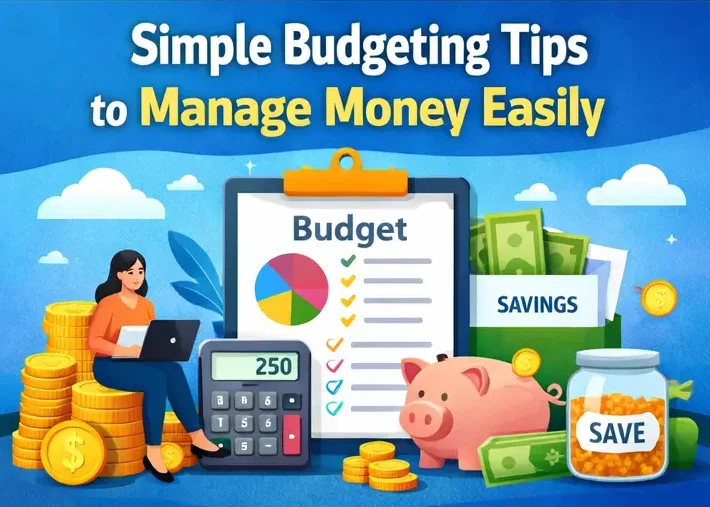
Simple Budgeting Tips to Manage Money Better
Managing money effectively is one of the most important life skills, yet many people struggle with it. Without proper planning, expenses can quickly exceed income, leading to stress and financial instability. Budgeting helps you control your spending, save money, and achieve your financial goals. The good news is that budgeting does not have to be complicated. With a few simple strategies, anyone can manage money more effectively.
In this article, we will explore practical budgeting tips that can help you improve your financial habits and build a stable financial future.
Understand Your Income and Expenses
The first step in managing your money better is understanding how much you earn and where your money goes. Many people underestimate their spending because they do not track their expenses regularly.
Start by listing all sources of income, such as salary, freelance work, or business income. After that, identify all your expenses. These can be divided into two categories:
- Fixed expenses: Rent, loan payments, insurance, and subscriptions
- Variable expenses: Food, transportation, entertainment, and shopping
Once you have a clear picture of your income and spending, you can determine whether you are overspending and where adjustments are needed.
Create a Realistic Budget
A budget is simply a plan for how you will spend your money. However, it must be realistic and practical. If your budget is too strict, you may struggle to follow it.
One popular approach is the 50/30/20 rule, which divides your income into three categories:
- 50% for needs: Essential expenses like housing, groceries, and utilities
- 30% for wants: Entertainment, dining out, and hobbies
- 20% for savings and debt repayment
This structure provides balance between living comfortably and building financial security.
Track Your Spending Regularly
Creating a budget is only the beginning. To make it effective, you must track your spending consistently.
You can do this by:
- Using budgeting apps
- Maintaining a simple spreadsheet
- Writing expenses in a notebook
Tracking helps you identify spending patterns and avoid unnecessary purchases. When you see exactly where your money goes, it becomes easier to make smarter financial decisions.
Set Clear Financial Goals
Budgeting becomes much easier when you have clear financial goals. These goals give you motivation to stick to your plan and avoid unnecessary spending.
Financial goals may include:
- Building an emergency fund
- Paying off debts
- Saving for a house or car
- Planning for retirement
- Funding education or travel
Try to set both short-term and long-term goals. Short-term goals keep you motivated, while long-term goals help secure your financial future.
Build an Emergency Fund
Unexpected expenses can happen at any time. Medical bills, car repairs, or sudden job loss can create financial pressure if you are not prepared.
An emergency fund acts as a safety net. Ideally, you should aim to save three to six months of living expenses in a separate account. This fund should only be used for genuine emergencies.
Even small monthly contributions can grow into a strong financial cushion over time.
Reduce Unnecessary Expenses
One of the easiest ways to improve your budget is by cutting unnecessary expenses. Many small purchases may seem insignificant, but they can add up quickly.
Consider reviewing expenses such as:
- Unused subscriptions
- Frequent online shopping
- Impulse purchases
- Excessive dining out
Instead of eliminating all enjoyment, focus on spending intentionally. Choose experiences or purchases that truly add value to your life.
Use the Envelope or Category Method
The envelope method is a simple but effective budgeting technique. It involves allocating a specific amount of money to each spending category.
For example, you may set monthly limits for:
- Groceries
- Transportation
- Entertainment
- Shopping
Once the allocated amount is used, you avoid spending more in that category. This method helps prevent overspending and improves financial discipline.
Digital banking apps now offer similar category-based budgeting tools, making it easier to manage spending without physical envelopes.
Automate Your Savings
Saving money becomes easier when it happens automatically. Instead of waiting until the end of the month to save what is left, treat savings as a priority.
You can automate savings by:
- Setting automatic transfers to a savings account
- Contributing regularly to investment accounts
- Using apps that round up purchases and save the difference
Automation removes the temptation to spend money that should be saved.
Review and Adjust Your Budget
A budget should not remain static forever. Your income, expenses, and goals may change over time. Therefore, it is important to review your budget regularly.
Consider checking your budget once a month to evaluate:
- Whether you stayed within spending limits
- If any categories need adjustments
- Progress toward your financial goals
This habit helps you stay in control of your finances and adapt to new circumstances.
Stay Consistent and Patient
Budgeting is not about perfection; it is about progress. Many people give up on budgeting because they expect immediate results. However, financial improvement takes time and consistency.
If you make mistakes or overspend occasionally, do not feel discouraged. The key is to learn from those experiences and continue following your plan.
Over time, consistent budgeting will help you develop better financial habits and create long-term stability.
Conclusion
Managing money does not require complex financial knowledge. With simple budgeting techniques, you can take control of your finances and reduce financial stress. Start by understanding your income and expenses, create a realistic budget, and track your spending regularly.
Focus on building savings, reducing unnecessary expenses, and setting clear financial goals. By staying consistent and reviewing your budget regularly, you can gradually improve your financial situation.
Budgeting is not just about limiting spending—it is about making smarter decisions with your money so that you can build a secure and comfortable future.